

Discover our new global brand experience.

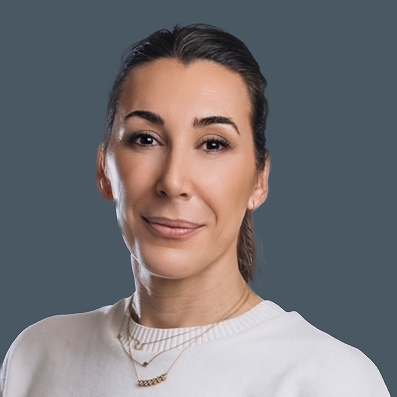
GENERAL MANAGER, WELO LIFE SCIENCES
Cristina Pardo brings more than 20 years of experience in localization and regulated services, with a strong track record of leading global teams and driving operational and commercial performance.
As General Manager of Life Sciences, she leads the global business strategy and P&L, aligning cross-functional teams to deliver compliant, high-quality solutions to clients across clinical, regulatory, and post-market environments. Cristina is known for her collaborative leadership style, focus on continuous improvement, and commitment to building sustainable, client-centered growth.

Chief Executive Officer
Paul has a wealth of experience in strategic leadership and growing tech-enabled services businesses. In addition to his role as CEO of Welocalize, he shares this experience in his roles as a non-executive director of Williams Lea, an advisor to Juxtapose, and a non-executive director of Genioo.
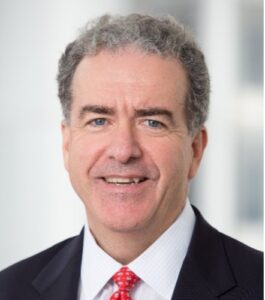 Dan O’Brien
Chief Financial Officer
Dan O’Brien is a results-driven financial executive with 25 years of experience as a corporate CFO. He brings a wealth of expertise in the financial oversight of both public and private equity owned companies, management of global operations, and company leadership to Welocalize. Throughout his career, Dan has managed successfully in challenging business situations, gaining diverse industry experience in business and financial services, telecom, and manufacturing. He has provided financial leadership through the full range of corporate change of control situations, including IPO, merger and acquisition, and financial restructure. Prior to joining Welocalize, Dan served as CFO for Williams Lea, a leading business process outsourcing company, and Sterling, where he led all finance-related diligence and administrative activities associated with the sale of this business to Goldman Sachs private equity.
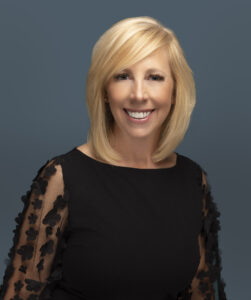 Erin Wynn
General Manager, Regulated
Erin Wynn is the General Manager for Regulated Services at Welocalize, where she has been a key figure since 2008. Her journey with the company began through the acquisition of Transware, a e-learning provider in the language service industry. Over the past 16 years, Erin has held various strategic commercial roles, each underscoring her commitment to both business growth and personal development within the team.
Erin’s leadership is defined by a passionate commitment to nurturing talent and fostering a collaborative work environment. Her approach not only drives commercial success but also cultivates a strong, people-centered culture that empowers individuals to thrive and innovate. This dedication to people—both clients and colleagues—is a hallmark of her tenure and a core component of Welocalize’s culture.
With a deep understanding of the localization industry and a genuine enthusiasm for engaging with diverse teams, Erin continues to guide Welocalize towards new heights of market presence and customer excellence, ensuring that relationships at all levels are built on trust and mutual respect.
 Chris Grebisz
Chief Technology Officer
Chris joined Welocalize in 2002 and has played a critical role in Welocalize’s innovation strategy to ensure global scale and growth for global clients. In 2008, Chris left Welocalize and worked in leadership roles at several small-to-mid-sized software development companies, including an 18-month stint, consulting for Google, and working on their localization technology.
When Chris returned to Welocalize in 2013, he led operations in the Americas and now oversees the company’s digital transformation and technology development worldwide. Under his leadership, Welocalize is one of the only language service providers to be 100% cloud-based, giving the ability to create consistent workflows across teams and rapidly scale.
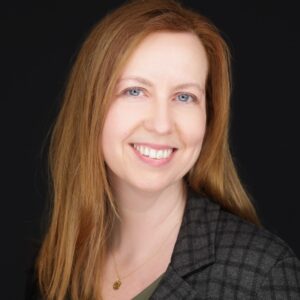 Christy Conrad
Head of Client Delivery – Enterprise
Christy Conrad has 15+ years of localization, operations, and client delivery service experience. As Head of Client Delivery – Enterprise at Welocalize, she focuses on global strategy to create, develop, and optimize localization services for Welocalize’s portfolio of clients. She champions operational innovation by spearheading advancements in production methodologies, implementing AI automation tools, and establishing dynamic resource models.
Christy fosters an inclusive work environment that encourages the development and implementation of novel ideas utilizing technology. As a result, her teams are empowered to deliver efficient localization and language services. As a passionate advocate for developing professionals, Christy serves as a mentor and actively cultivates leadership opportunities for the next generation of women in the localization industry.
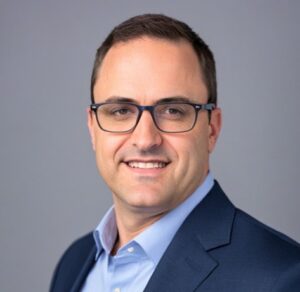 Matt Grebisz
Head of Client Delivery – Regulated
Since joining Welocalize in 2002, Matt Grebisz brings over 20 years of experience, primarily in operations within the localization and translation industry. Matt manages strategy, resources, and budgets, always prioritizing exceptional customer service. In 2021, he spearheaded the transition to Agile methodology, streamlining operations for enhanced efficiency and effectiveness.
In his role as the Head of Client Delivery for the Legal and Life Sciences verticals, Matt demonstrates his commitment to operational excellence by fostering a culture of customer service, efficiency and rigorous adherence to regulated content standards. With a forward-thinking approach, he oversees the delivery of services in regulated industries, driving his teams to exceed expectations.
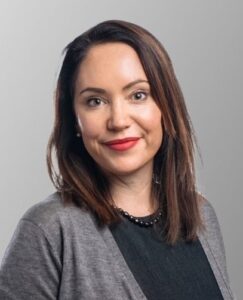 Siobhan Hanna
General Manager, Welo Data
Siobhan runs Welo Data services business and has extensive experience in the language and AI data industries, including founder and leadership roles at Lionbridge AI and Telus AI. Siobhan is passionate about elegant and ethical solutions to complex human computation challenges, and getting into the weeds on data quality.
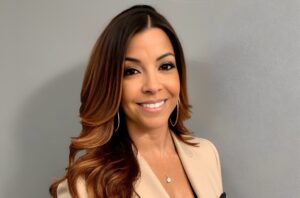 Kimberly Olson
Head of People Success
Kim joined Welocalize in 2019, bringing a deep commitment to enhancing workplace environments and driving success through people-focused initiatives. With over 20 years of experience in human resources, she has evolved from hands-on roles to leading strategic efforts and now guides our global teams. Kim’s work is centered on aligning people strategies with our core business goals, creating a dynamic and inclusive culture where everyone can thrive. Our goal is to foster a workplace that not only attracts, develops, and retains top talent but also enhances productivity and inspires our team members daily, maintaining our position as a leader in the industry.
 Nicole Sheehan
Head of Operations
Nicole Sheehan is a seasoned professional with over a decade of experience in language operations and customer success within the localization industry. Nicole oversees the strategic leadership and execution of Welocalize’s service offerings. She will be responsible for harnessing AI-first technologies to optimize processes, leading global teams towards achieving excellence in service delivery, and fostering strong client relationships.
Nicole earned a Master of Business Administration from NYU Stern School of Business, specializing in Business Analytics, Strategy, and Leadership & Change Management. She also earned a Bachelor of Science in Engineering with a focus on Operations Research from Cornell University.
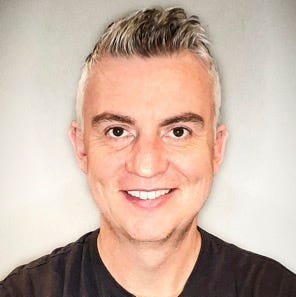
Paul Danter brings over two decades of leadership in content management, localization, and trust & safety industries. His strategic leadership and entrepreneurial expertise are set to elevate the division’s capabilities, driving greater innovation and impact for its global clients.
Paul’s career is marked by consistent success in scaling businesses and driving technological innovation. As CEO of Moravia, he led the company to record revenue of over $280 million through innovative solutions, a strong focus on quality, and outstanding client satisfaction. His entrepreneurial journey includes co-founding Mobile IQ, where he led the business to a successful acquisition by Quark. Most recently, he served as Global Head of Trust & Safety at Concentrix, managing global teams and delivering cutting-edge solutions in content moderation, fraud prevention, and compliance to the largest technology companies in the world.